
Search
MENU
Lush, green grass serves as a welcoming carpet, inviting you and your guests to enjoy the great outdoors in your backyard. If you’re on a quest to attain a magnificent lawn, proper aeration and overseeding are the dynamic duo that will take your grass to the next level, providing excellent ground cover and an envy-inducing yard.


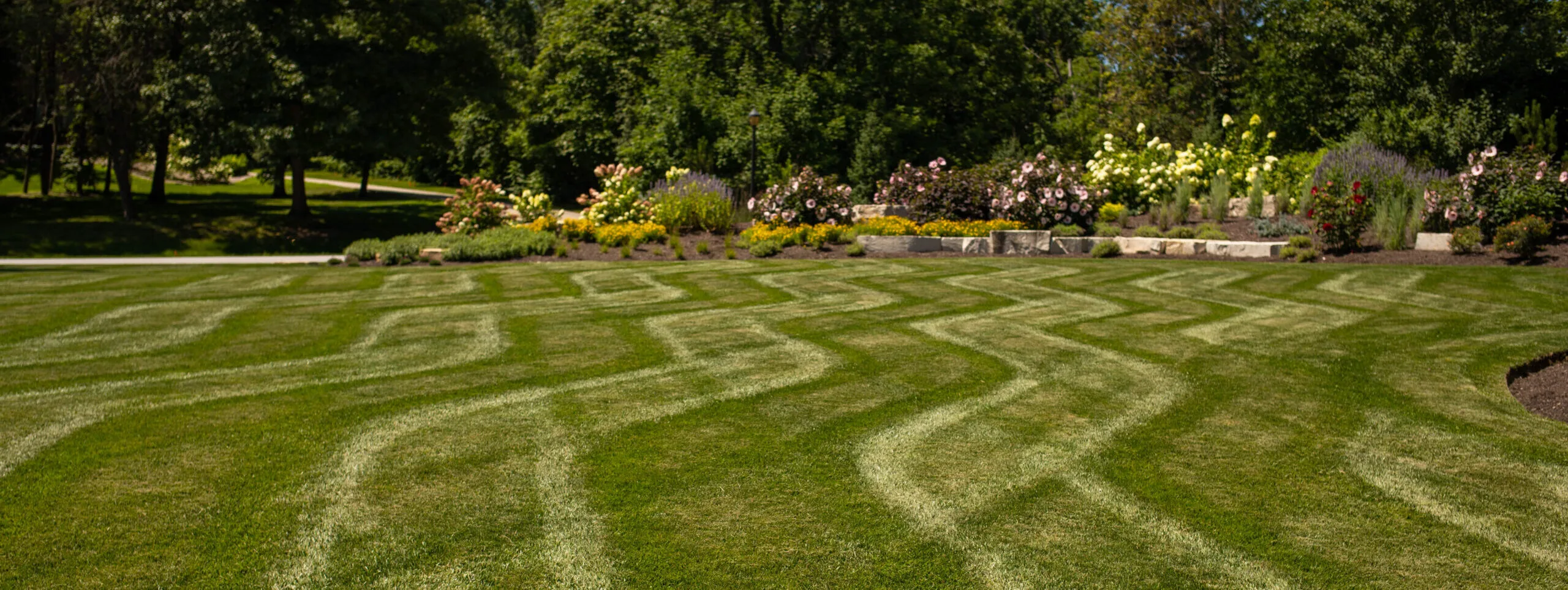
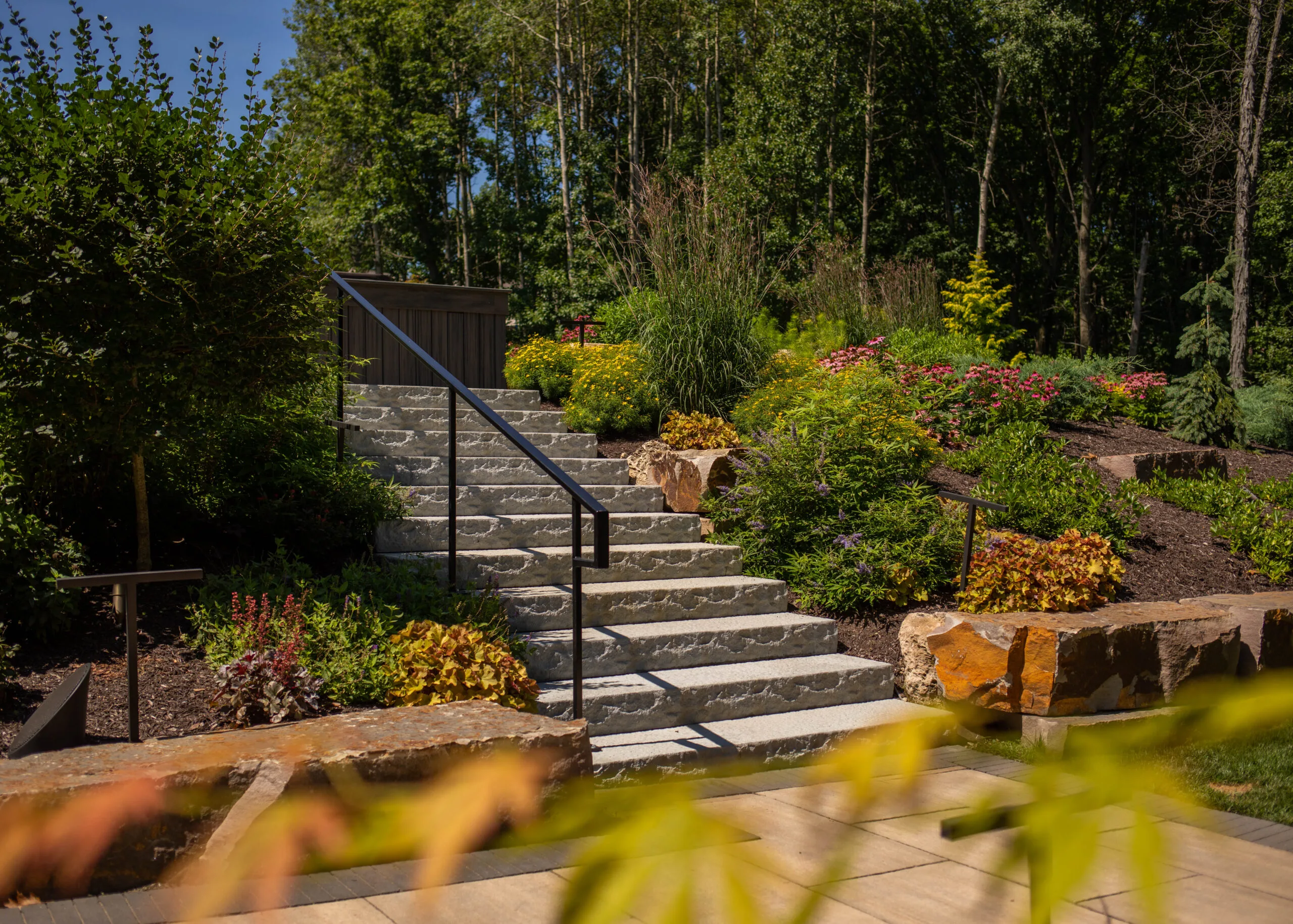


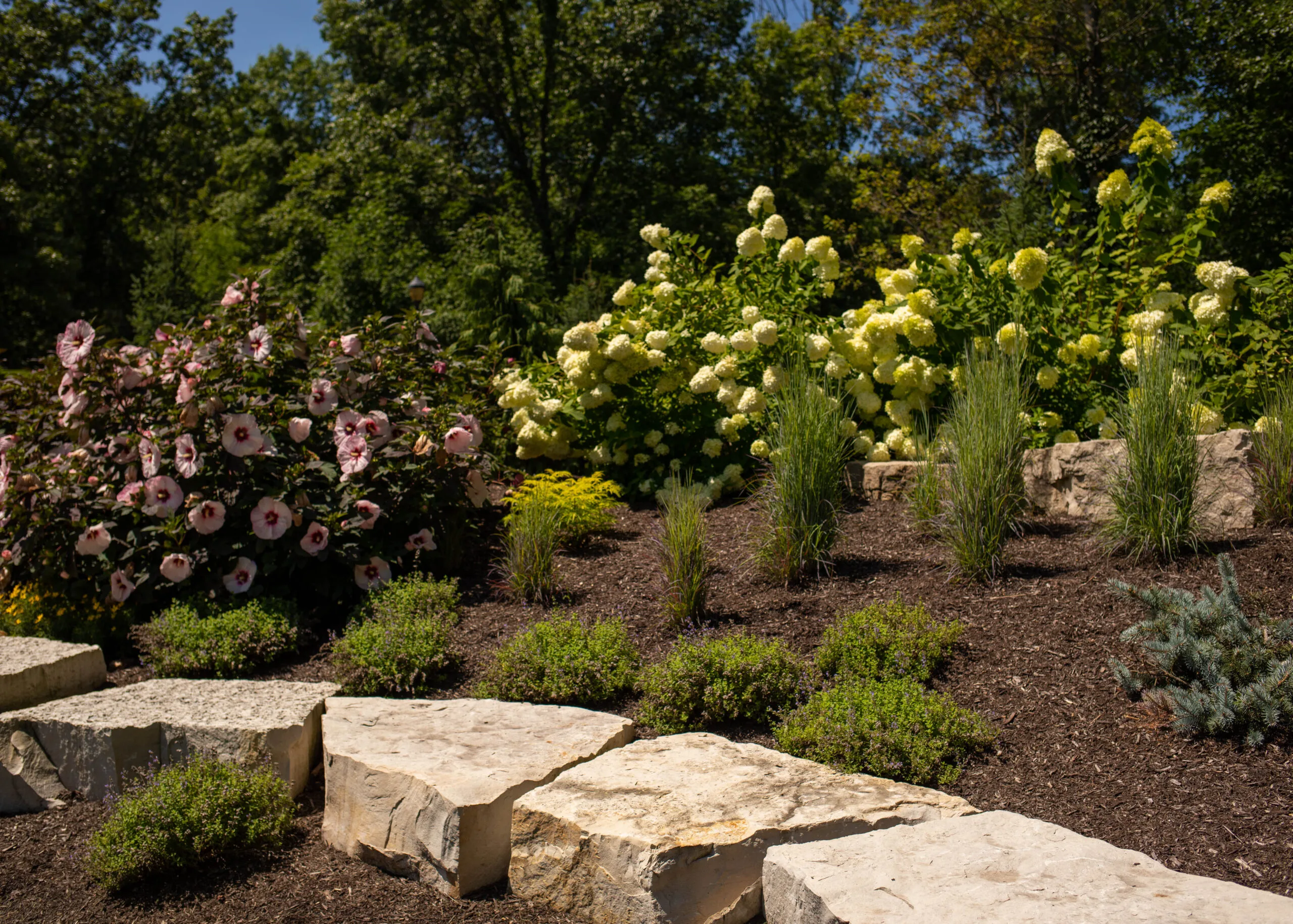


Every lawn is unique, with different maintenance and care requirements. Understanding the distinctions between aeration and overseeding is crucial to determine which treatment option will work wonders for your lawn. By delving into the intricacies of these two methods, you’ll uncover the secrets to cultivating a vibrant lawn that becomes the pride of your property.
Aeration and overseeding have a few notable differences that meet specific applications. Sometimes, you’ll need one or the other for your property. In other situations, you might want to do both at different times.
It’s essential to consider the time of year, your grass’ current state and other ground conditions before getting either procedure done.
Aeration involves one of two techniques.
Core aeration perforations can help break up the compact ground and help get water and oxygen to the grass’ roots more effectively. Removing plugs of soil opens space for new grass to grow and get the nutrients it needs.
The core aerator is the most common core or manual aeration equipment, which uses hollow tines to pierce the soil and pull out small plugs. It can efficiently cover the desired area with a fixed hole pattern to make consistent ground perforations.
Typically, core aeration will target specific areas of your property versus treating your entire property.
In comparison, liquid aeration uses a solution that breaks down compacted soil and creates small openings or pores that allow nutrients to reach your soil and promote grass growth. Liquid aeration usually requires a sprayer.
Liquid aeration also gets applied across your entire lawn, which ensures complete coverage and treatment.
Instead of working the soil, overseeding involves adding new grass around a plot of land without turning the earth.
By scattering seeds around bare spots or in areas where you want thicker grass, this process can help cultivate new grass growth that’s richer and greener. It provides optimal coverage and is excellent for enhancing the aesthetic appeal of your lawn.
Landscapers use a seed spreader loaded with grass seed to complete the overseeding process. Since minimal soil work is necessary, this process can go relatively quickly, depending on your property’s size.
Note that overseeding is most beneficial when you combine the process with aeration. Overseeding alone won’t get the seeds in the ground as efficiently.
You’ll find a few differences between aeration and overseeding.
If you want to do both processes on your property, you should get aeration done first and then move to overseeding.
Over time, soil and debris buildup over the grass can create a barrier that blocks the seeds from accessing the soil.
When dead leaves, rocks, clumps of dried grass and other debris begin to pile up, the grass’ roots can’t get the nutrients they need to flourish. Additionally, water can’t reach the roots as easily or help seeds germinate if the soil is too compacted.
Aeration is an excellent solution to help clear debris and get vital nutrients down to germinating seeds and established roots. If your grass hasn’t been able to flourish before, overseeding will help replace dead or dying grass with fresh, new grass.
Both methods restore and rejuvenate the lawn, and they’re an essential part of maintenance because they make further growth possible.
Aeration and overseeding are both highly effective methods. Studies have demonstrated that aeration can effectively promote growth for many different plants, from grass to tomatoes.
Aeration might sound like a strange approach to lawn care, but it successfully restores lawns. When lots of debris has built up, the grass gets choked out, dries up and becomes brown. However, by aerating and overseeding with high-quality seed, you can restore your vibrant, green grass.
If you’re interested in seeing examples of how these processes have worked for our clients, you can reach out to our specialists for more information
When you combine aeration and overseeding with Mirimichi soil treatment, you unleash your lawn’s full potential.
When you choose to aerate and overseed your property, keep in mind a few things to expect:
The aeration process will depend on the type of aeration:
For core aeration, technicians will use a core aerator to create holes about a quarter-inch deep each. The size may vary depending on your specific lawn care needs.
The removed soil plugs will get evenly spaced out, likely around 6 inches away from each other. The aerator will open up the necessary space for water and oxygen to penetrate down to the root zone for the grass.
Afterward, avoid walking on that part of the lawn for a few days. Give the soil plugs and new perforations time to settle so the soil won’t get compact again.
Your property should completely recover in about three to four weeks, and you can expect to begin seeing results shortly after that.
Your technician will choose an appropriate solution for liquid aeration and use a sprayer to apply the solution to your property. When selecting a solution and application method, your lawn care professional will consider several factors related to your property, including your lawn condition and landscaping features.
If you have pets, children, or grandchildren, most liquid aeration manufacturers offer solutions safe for pets and people.
After researching the best liquid creation solution for your lawn, your technician will apply it using a sprayer — the sprayer type will depend on your property’s unique features.
Applying the liquid aeration solution twice a year along with fertilizer can help provide successful growth results in your landscape. It can be beneficial to complete this process in the years you don’t complete aeration.
If you’re incorporating aeration and overseeding into your lawn maintenance plan, you’ll want to do your overseeding second.
Your lawn care professional will select the best seeds for your specific soil and growing requirements in this process. They will then scatter seed over the topsoil — without planting it — via a seed spreader.
If you have a specific bare area you want to cover, your service professionals can focus on those spots.
Seedlings germinating in the topsoil are delicate, so avoid walking around the overseeded area for about four weeks. Preventing this foot traffic when the seedlings are fragile will help them take root and flourish in a few more weeks.
Remember to water your lawn after your complete the aeration and overseeding process. Watering is a crucial aspect to show successful results in your landscape. You’ll impact a majority of the seeds you lay down when you water your lawn regularly. Partnering with a quality lawn care company can help ensure your lawn is getting an adequate amount of water after the aeration and overseeding process.
If you’re looking for solutions to keep your yard looking fresh and lush, Ricci’s Landscape Management is here to help.
We are specialists offering wide-ranging services for your essential requirements, and we bring several decades of experience to work with you. Talk with us about your lawn care needs, and we’ll help you select the best solutions for your preferences. We offer many lawn-cutting and maintenance solutions, including liquid aeration.
To learn more about what we can do to make your yard thrive, contact us to request a quote today.
Request a quote from RLM to discover how our exceptional landscape installation and maintenance services can transform your outdoor space. Let us help you bring your vision to life with our expertise and passion for landscaping.

You've walked your yard a dozen times. The grass looks a little off: patchy in some spots, yellowing in others, and growing slower than it should. Something is wrong, but you're not sure what. Fertilizer seems like a logical fix, but is

Your outdoor space tells a story. A well-designed yard draws the eye, lifts the spirit, and adds real value to your property. For homeowners and business owners alike, that story can be made even richer by weaving native plants into your design.

The warmer months should be spent enjoying your yard, not worrying about what might be hiding in the grass. Ticks turn a relaxing afternoon outside into a source of stress, especially when you have kids or pets who love to roam. These
Our goal is simple: to deliver results you’re proud of and a process you enjoy. From the first conversation to the final walkthrough, we follow through.

Call Us:

Text Us:
Complete the form below to request a free estimate or connect with a member of our team.
