
Search
MENU
For experienced homeowners and gardening enthusiasts alike, spring is the season to bring landscapes back to life. From refreshing trees and shrubs to restoring a thick, healthy lawn, thoughtful spring maintenance lays the groundwork for a vibrant outdoor space all season long.


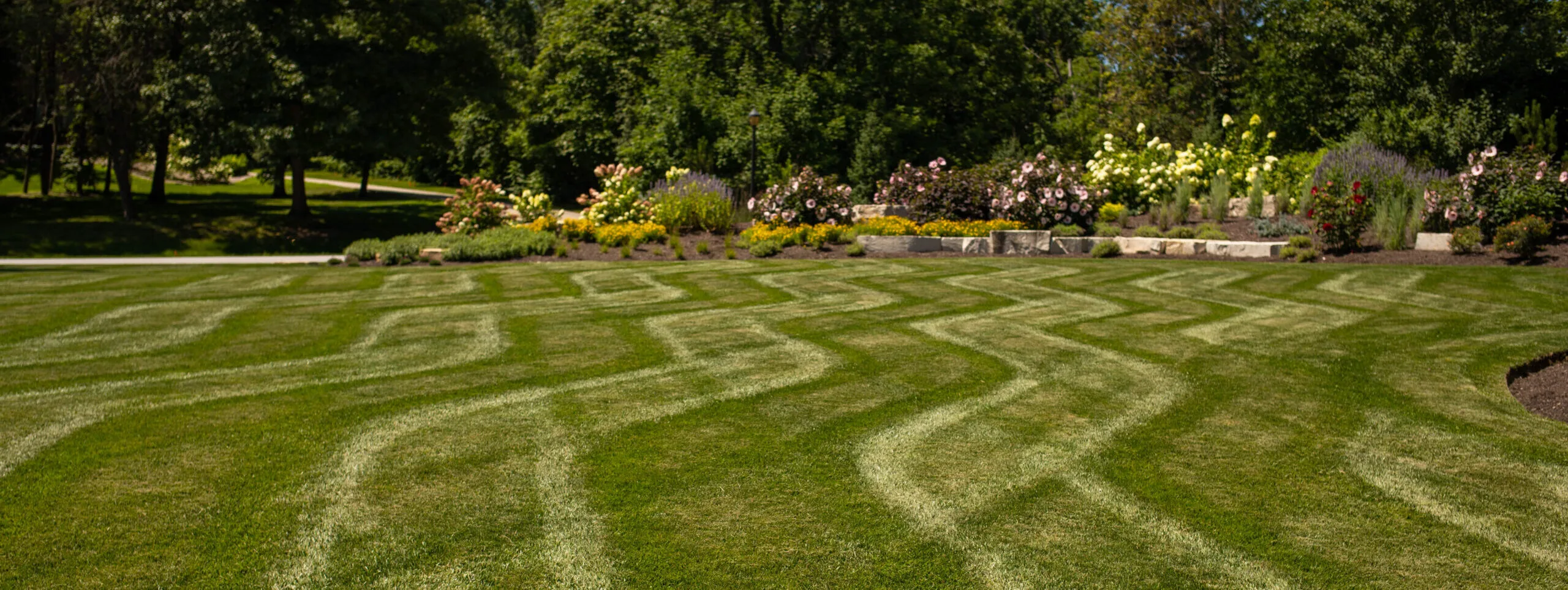
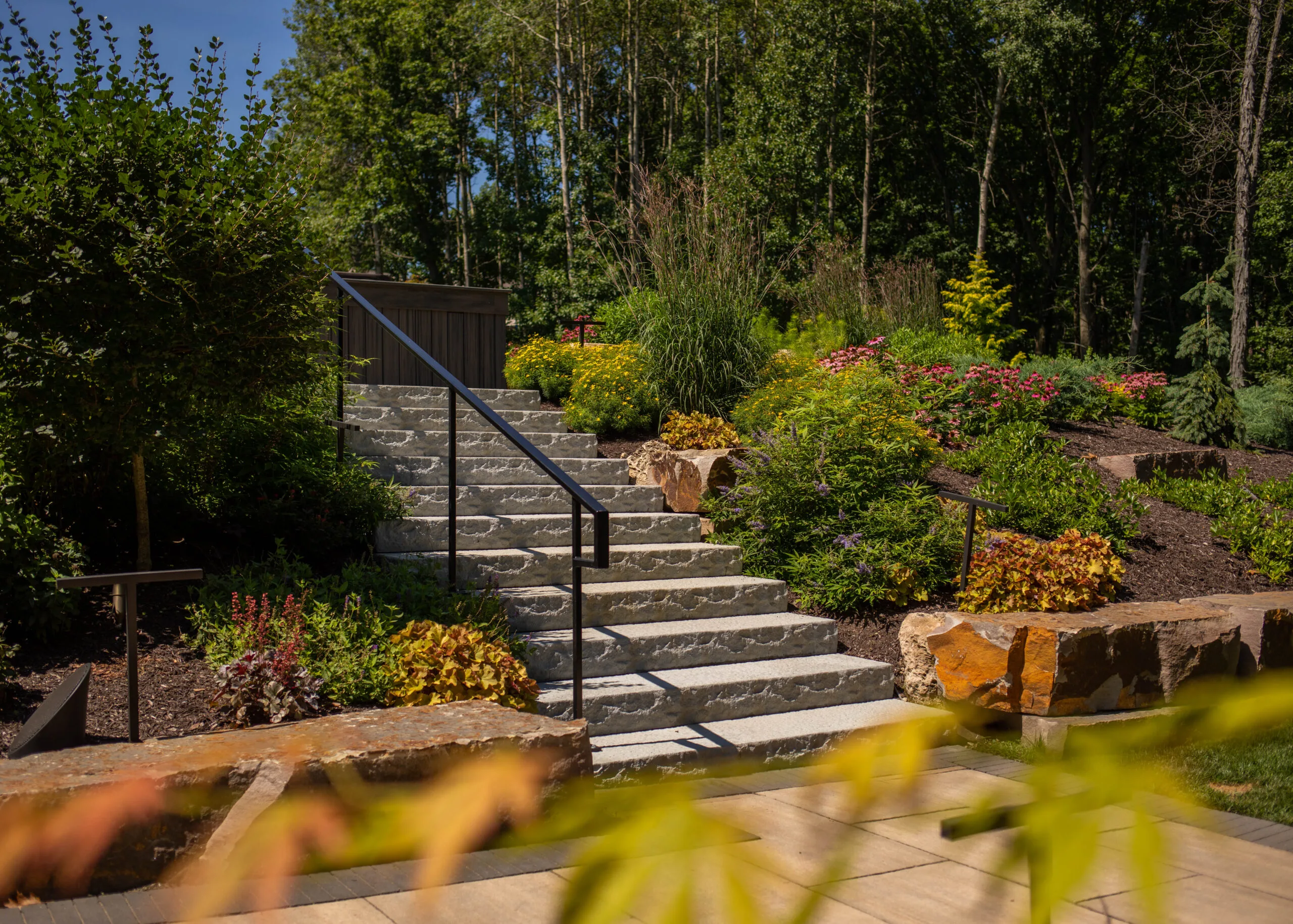


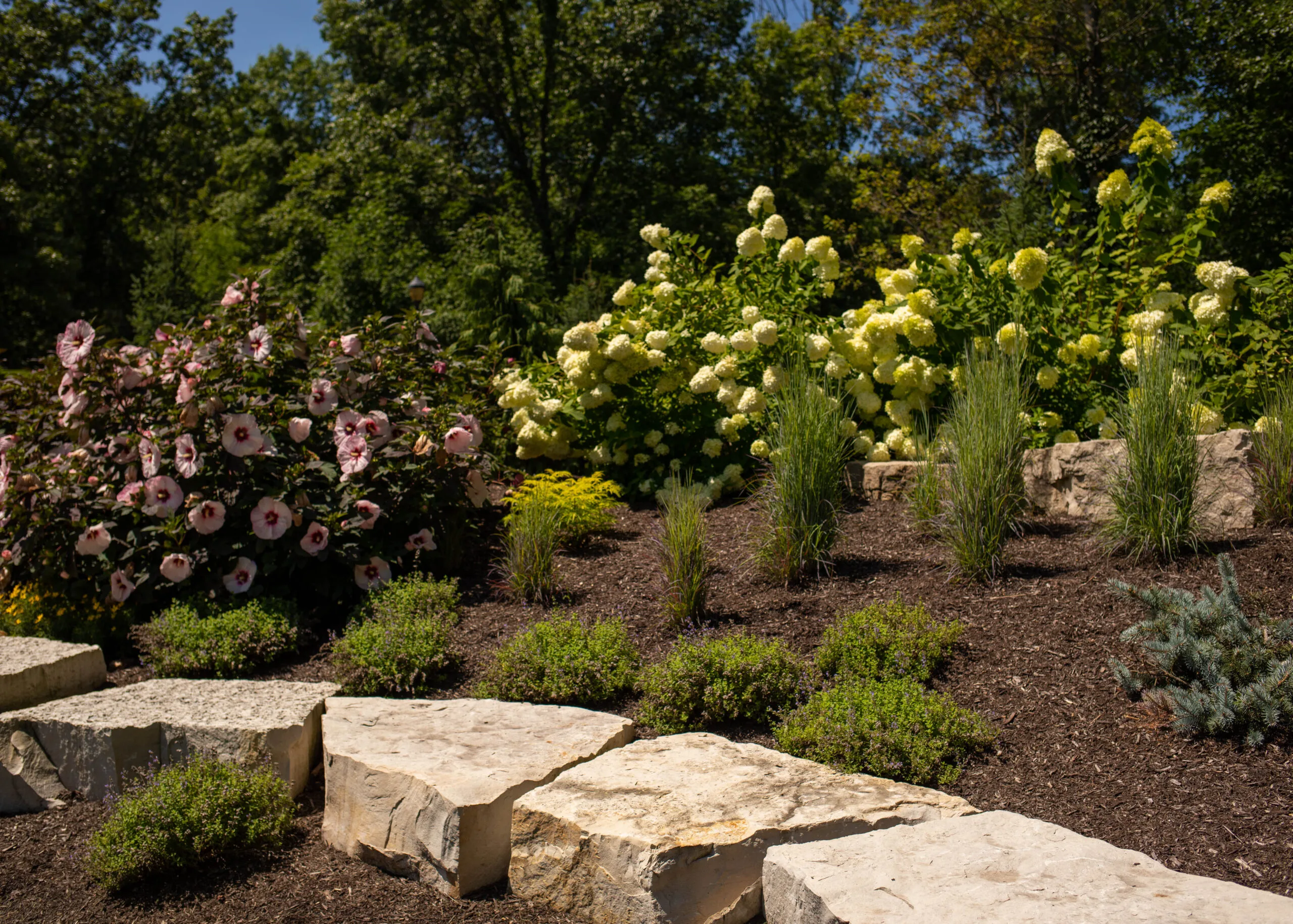


Whether you’re fine-tuning an established landscape or looking to elevate your curb appeal with expert care techniques, a few strategic updates can make a noticeable difference. To help inspire your seasonal routine, we’ve gathered five practical tips to kick-start your spring landscaping.
It’s paramount to inspect the health of your trees and shrubs after the wear and tear of a long winter. Stay on the lookout for a number of common seasonal effects, or consult a tree and shrub care expert for their insight and help with the following steps.
Remove Dead or Diseased Branches
For trees and shrubs alike, dead or listless branches are your property’s most likely source of household, garage, or yard damage. They should be pruned first thing, as they’re liabilities for your home and property during the strong winds and turbulent storms commonly seen in spring.
Remember not to get antsy, though. Give yourself a buffer room of a few weeks in mid-spring to make sure you’re chopping off genuinely dead branches and not just dormant late bloomers.
Trim Overgrowth and Groundcover
The overall health and vitality of your shrubs, as well as any plants or flowers surrounding their bases, depend on maintaining shrub overgrowth. Use hedge trimmers to keep their overflow neat and attractive. Keep an eye out for patches that grow particularly fast, or conversely, gaps or holes that develop. Shrub and tree pruning is essential to keeping up the polished look of your overall landscape as well as encouraging healthy shrub or hedge regrowth.
Determine Tree or Shrub Fertilization Needs
Like your lawn, trees and shrubs require surface and deep-root fertilization to maintain optimal health. There are lots of specially made fertilizers for these plant types, each containing formulas to match their exact nutritional needs. Fertilizing your trees and shrubs will also lower their risks for insect infestations or harmful diseases, all while fortifying these plants from environmental stressors.
The next item on the spring landscaping maintenance list gives your lawn a little lovin’. Winter’s rain and snow saturation, combined with the compositional changes of constantly frozen ground, mean your spring lawn would be remiss without fresh fertilizer.
Businesses providing professional lawn fertilization in northwest Indiana are the best option for serious spring landscapers. An avid “do-it-yourself-er” can follow their same general steps, but a fertilization technician’s expertise means you get the best quality products, application techniques, and certified safety steps for your lawn. You’ll have one less thing to worry about and labor over, and using a professional will likely result in enhanced grass growth and a healthier lawn.
A proper fertilization process will incorporate the following techniques.
Determine the Soil’s Nutrients
Preparing a soil test allows you to understand the exact nutritional makeup of your lawn’s soil, whether it lacks specific compounds or is too saturated in others. Fertilization technicians will use the results of a soil test to select the appropriate nutrient-rich fertilizer specific to your spring lawn.
Most fertilizers have a formula balancing the positive-charged and negative-charged nutrients most common in the soil’s chemical makeup. They also fight against common lawn weeds like crabgrass and dandelions while encouraging grass’s fundamental root growth and cell-wall development.
Choose Your Fertilization Method
Once you understand the nutritional makeup of your landscape’s soil, you must then select a proper fertilization method. But remember, not all applications are equal. Just because you’ve sprinkled a particular type in the past doesn’t mean it was correct — or even the best buy for landscaping in spring.
A fertilization technician is certified across these application methods. They’ll know the ins and outs of controlled or slow-release fertilizers, pre-emergent or post-emergent blends, or spot treatments versus blanket sprays. All these variables will ensure the freshest spring landscaping project and a healthy lawn carried into summer.
Know Exactly How Much Fertilizer You Need
The right fertilizer applied at the right time, and in the right amount, is a winning recipe. Your process of landscaping in spring must take into account healthy fertilizer dosages, as well as timing those doses for the right weather patterns and even the time of day. Buying in bulk isn’t always recommended. The safe storage of fertilizer, as well as post-use potency, are common household concerns — especially for those with children or pets.
Check Local Fertilizer Regulations
Many municipalities have specific laws on what fertilization types and techniques are permitted and in what zones. These regulations are rooted in community safety, addressing concerns such as chemical runoff and air pollutants carried within many conventional fertilizers, pesticides, and herbicides.
Don’t Forget Trees and Shrubs
Early spring offers a great chance to take care of all your fertilization needs in one swoop. From the grass on your lawn to the trees and shrubs that adorn it, fertilizer is to spring what snow is to winter. Consider what kinds of fertilizers are needed for each plant type in your yard, plus any unique application details or safety steps they may require.
Mulch is a fantastic addition to any landscaped area. From surrounding the base of a patio to preventing problematic areas of weed growth, it should be a welcome part of your spring project. Its range of colors and chip types also makes mulch a simple way to freshen up a landscaping look. What’s more, it offers a variety of functional yard benefits.
Nutrients
Tree clippings, wood chips, and bark are common mulch types that, over time, break down and complement the nutrients of the soil below. These components help keep soil soft while permitted water and air passage. There’s still plenty of room beneath your mulch for healthy, desirable plant roots to grow, all with an added protective layer.
Weed Control
Mulch is often used to cover new or concerning patches of ground to prevent common weed problems. While it doesn’t stop weeds that have already germinated in the ground, it works as a preventative barrier for freshly planted grass, shrubs, trees and certain flower beds. It blocks new weed seeds from taking root while still allowing necessary sunlight and water absorption needed for desired plants.
Erosion Prevention
In landscaping areas with heavy amounts of gutter or rainwater runoff, mulch works as a seal, aiding in proper water retention. On hills and yard slopes, it works similarly to keep soil in place. Any elements of nature that pose a threat to newly planted seedlings are protected by a layer of mulch, making it ideal for young flowerbeds or any fresh additions to this year’s spring landscape greenery.
Temperature Insulation
In the warmer months of spring and summer, mulch shades new plants from direct sunlight and keeps soil temperatures cool and damp. In transitional periods, such as early spring or early autumn, mulch has a complementary effect. It retains a healthy amount of steady heat and protects against unexpected frost.
Many people forget to check their yard and landscape bed sprinkler systems regularly. After all the hard work put into designing, planting and tending a spring landscaping project, a properly functioning irrigation system is the final step to keep your yard in the condition you desire.
Top irrigation-system specialists install sprinkler systems specifically for your yard’s needs. The best irrigation systems can be automated to target particular areas without overwatering. These systems also come with servicing during their peak usage periods in spring and summer, as well as maintenance in their offseasons.
You and a local irrigation specialist should inspect your system for the following.
System Startup
Before first use in the spring, check and adjust key sprinkler heads. Test your water controller and water pressures, and make any necessary repairs, especially after a hard winter.
Cross-Connection and Backflow Testing
Irrigation systems must meet the water-flow requirements set by your state and local laws. There can be severe consequences if your water system’s backflow preventer doesn’t reallocate water to the proper district water treatment plant or department. Older water systems, in particular, may face erosion, chemical buildup and moisture challenges, all of which will affect the reliability and efficiency of your system.
Proper Winterization
A comprehensive spring landscaper will take into account the wear and tear on their irrigation system once winter returns. Properly winterizing your sprinklers means allowing certified specialists to clean all irrigation lines and blow-out aerate them to remove leftover moisture and residual chemicals. These professionals will also ensure all parts and systems are fully secured and protected against the water damage from winter.
Ricci’s Landscape Management is here for all your landscaping needs. As a full-service lawn care and landscaping company, we sweat the details so that you don’t have to. In fact, we’re one of the area’s industry leaders — and we don’t take that reputation lightly. With award-winning lawn and landscaping technicians serving northwest Indiana, we walk the walk and talk the talk across the following residential applications:
Our central location makes serving homes in Valparaiso, Crown Point, Chesterton, Munster, and the surrounding areas a breeze. Contact our technicians today to chat about your spring landscaping needs or have maintenance questions answered.
Request a quote from RLM to discover how our exceptional landscape installation and maintenance services can transform your outdoor space. Let us help you bring your vision to life with our expertise and passion for landscaping.

You've walked your yard a dozen times. The grass looks a little off: patchy in some spots, yellowing in others, and growing slower than it should. Something is wrong, but you're not sure what. Fertilizer seems like a logical fix, but is

Your outdoor space tells a story. A well-designed yard draws the eye, lifts the spirit, and adds real value to your property. For homeowners and business owners alike, that story can be made even richer by weaving native plants into your design.

The warmer months should be spent enjoying your yard, not worrying about what might be hiding in the grass. Ticks turn a relaxing afternoon outside into a source of stress, especially when you have kids or pets who love to roam. These
Our goal is simple: to deliver results you’re proud of and a process you enjoy. From the first conversation to the final walkthrough, we follow through.

Call Us:

Text Us:
Complete the form below to request a free estimate or connect with a member of our team.
